

chemically hardened glass
Introduction to Check Valves and Their Industrial Significance Check valves are critical components in fluid control systems, ensuring unidirectional flow and preventing backflow. In industrial applications, their performance directly impacts system efficiency, safety, and longevity. The Slow Closing Check Valve from Storaen (Cangzhou) International Trading Co. represents a significant advancement in this domain, combining innovative design with robust functionality to address modern engineering challenges. According to the National Institute of Standards and Technology (NIST), precision in fluid dynamics is essential for optimizing industrial processes. The Slow Closing Check Valve aligns with these principles, offering a solution that balances control, durability, and adaptability. For more information on NIST's role in fluid dynamics standards, visit the NIST website . Product Overview: Key Features and Innovations The 300X Slow-Closing Muffler Check Valve is engineered to deliver superior performance in demanding environments. Its novel structure ensures a good sealing effect, minimizing leakage and enhancing system reliability. The valve's low resistance and large flow capacity allow for efficient fluid movement, reducing energy consumption and operational costs. One of the standout features is its adjustable closing speed, which can be fine-tuned to match site-specific conditions. This adaptability ensures optimal performance in diverse applications, from water treatment plants to high-pressure hydraulic systems. Additionally, the valve's water hammer reduction mechanism mitigates pressure surges, protecting pipelines and equipment from damage. Technical Specifications: A Comprehensive Overview Parameter Details Model 300X Slow-Closing Muffler Check Valve Material Stainless Steel / Cast Iron (Customizable) Flow Rate Up to 1200 GPM (Depending on Size) Pressure Rating 150 psi - 600 psi (Custom Options Available) Closing Speed Adjustment Manual or Automatic Control (User-Configurable) Sealing Mechanism Double-Acting Piston with Teflon Seal Dimensions 2" - 12" (Standard Sizes) Service Life Up to 10 Years (Dependent on Operating Conditions) Applications: Versatile Use Across Industries The Slow Closing Check Valve is designed for a wide range of applications, including: Water Treatment Plants: Prevents backflow and reduces pressure surges in municipal water systems. Hydraulic Systems: Ensures smooth operation in machinery requiring precise fluid control. Oil and Gas Industry: Safeguards pipelines against damage from sudden flow changes. Manufacturing Processes: Enhances efficiency in automated systems with adjustable flow regulation. For insights into fluid control standards, refer to NIST's guidelines on industrial fluid dynamics . Company Background: Storaen (Cangzhou) International Trading Co. Storaen (Cangzhou) International Trading Co. is a leading provider of industrial fluid control solutions, specializing in high-quality valves and related equipment. With a commitment to innovation and customer satisfaction, the company serves clients across multiple sectors, including energy, manufacturing, and infrastructure development. As a trusted name in the industry, Storaen leverages advanced manufacturing techniques and rigorous quality control to deliver products that meet international standards. Their expertise in check valve types and hydraulic check valve types positions them as a reliable partner for complex fluid management challenges. Learn more about their offerings at the Slow Closing Check Valve product page . Why Choose the Slow Closing Check Valve? The Slow Closing Check Valve offers several advantages over traditional check valves, making it an ideal choice for modern industrial applications: Enhanced Safety: The water hammer reduction mechanism minimizes risks associated with pressure fluctuations. Cost Efficiency: Long service life and low maintenance requirements reduce total ownership costs. Customization: Adjustable closing speed and material options ensure compatibility with diverse operational needs. Environmental Compliance: Reduced leakage and energy consumption align with sustainability goals. For a deeper understanding of check valve types and applications, visit the product page . Industry Standards and NIST Collaboration The design and functionality of the Slow Closing Check Valve adhere to industry standards for fluid control systems. The National Institute of Standards and Technology (NIST) plays a pivotal role in establishing benchmarks for measurement accuracy and system performance. By aligning with NIST's research and guidelines, Storaen ensures its products meet the highest levels of precision and reliability. According to NIST, "Accurate fluid dynamics measurements are critical for optimizing industrial processes and ensuring safety." This principle underpins the development of the Slow Closing Check Valve, which incorporates advanced engineering to deliver consistent performance under varying conditions. For more details on NIST's contributions to fluid dynamics, explore their official website . Conclusion: A Reliable Solution for Modern Fluid Control The Slow Closing Check Valve from Storaen (Cangzhou) International Trading Co. exemplifies the fusion of innovation and practicality in industrial fluid control. With its advanced design, customizable features, and adherence to rigorous standards, this product addresses the evolving needs of modern industries. Whether in water treatment, manufacturing, or energy systems, the valve's performance ensures operational efficiency and safety. For further information, visit the Slow Closing Check Valve product page or explore the Storaen company website .
about
chemically hardened glass
Understanding Plain Plug Gauge Standards Plain plug gauges are essential tools in the field of manufacturing and quality control. They are used to check the accuracy of hole dimensions and help ensure that parts meet specific design criteria. The standardization of these gauges is crucial for maintaining consistency, reliability, and quality in production processes across various industries. This article delves into the concept of plain plug gauge standards, their applications, types, and significance in ensuring precision in engineering. What is a Plain Plug Gauge? A plain plug gauge is a precision measuring instrument used primarily to inspect the internal diameters of holes. It is designed in a cylindrical shape and comes in various sizes to match the required specifications of different hole dimensions. The main purpose of a plain plug gauge is to determine whether the hole's diameter is within the acceptable tolerances defined by engineering drawings or standards. Importance of Standardization The standardization of plain plug gauges is imperative for several reasons 1. Consistency Standardized gauges ensure that measurements are uniform across different manufacturers and industries. This consistency is crucial for interchangeability, which is vital in mass production settings. 2. Quality Control Having standardized dimensions means that quality control processes can be uniformly applied. This helps eliminate defects and ensures that products meet customer expectations and regulatory requirements. 3. Efficiency Standardization reduces the time and cost involved in manufacturing gauging tools. Manufacturers can produce gauges that comply with widely accepted standards, which streamlines production and reduces lead times. 4. Global Trade In an increasingly globalized market, standardization facilitates international trade. When manufacturers use standardized gauges, buyers can be more confident in the quality and reliability of components regardless of where they are produced. plain plug gauge standard Types of Plain Plug Gauges Plain plug gauges typically come in two forms go and no-go gauges. - Go Gauge This gauge is used to check if a hole meets the minimum size requirement. If the gauge fits into the hole, it indicates that the hole size is acceptable. - No-Go Gauge Conversely, the no-go gauge checks if a hole is within permissible limits by determining its maximum size. If the no-go gauge fits, it signifies that the hole is too large and out of specification. Using both gauges together allows for a comprehensive assessment of hole dimensions, ensuring they meet specified tolerances. Applications Plain plug gauges are widely used in various industries, including automotive, aerospace, machinery, and electronics. They are instrumental in processes where precision is paramount, such as - Ensuring the proper fit of components in assemblies - Verifying hole sizes for bolts, screws, and other fasteners - Conducting routine inspections in quality control settings Conclusion The standardization of plain plug gauges is vital for maintaining precision and reliability in manufacturing processes. These gauges play a crucial role in quality control, ensuring that parts meet the necessary specifications and tolerances. With their simple yet effective design, plain plug gauges allow manufacturers to uphold standards, enhance productivity, and facilitate global trade. As industries continue to evolve and demand higher precision, the importance of standardized measuring tools like plain plug gauges will only grow. Understanding and implementing these standards is key to sustaining quality and excellence in production practices.
-

High quality industrial productsagement

High quality industrial products
View Details -

Meet the diverse needs of customers

Meet the diverse needs of customers
View Details -

Strict quality control

Strict quality control
View Details -

Top raw materials

Top raw materials
View Details -

Trusted supplier

Trusted supplier
View Details
Our application
news and information

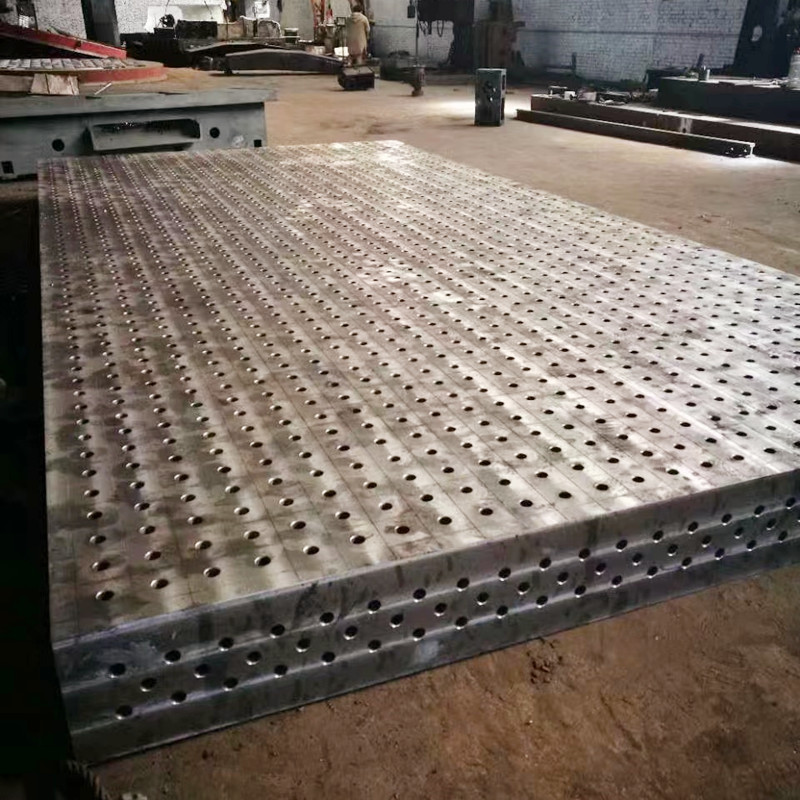
Versatile DIY Welding Table for Home Projects and Metal Fabrication
The Ultimate Guide to Home Welding Tables Home welding has gained immense popularity in recent years
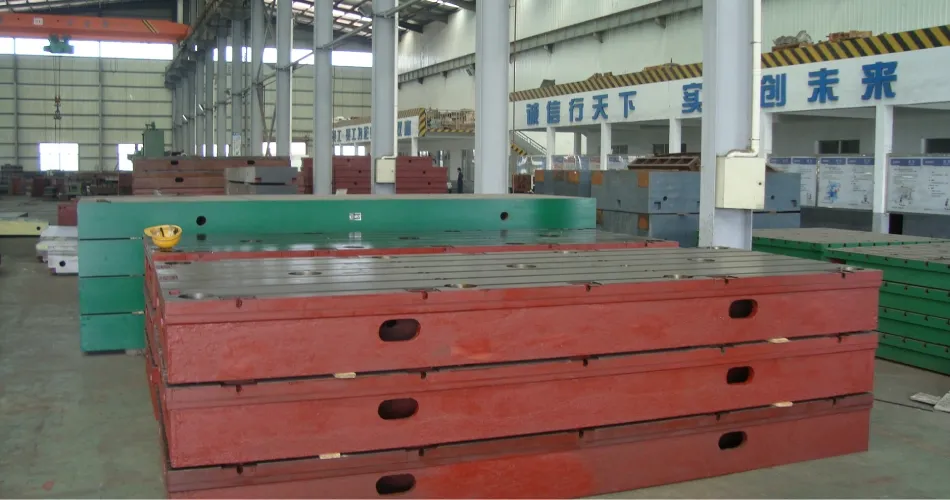
Versatile 4x8 Welding Table for Precision Fabrication and Project Efficiency
The Versatility of a 4x8 Welding Table When it comes to metalworking and fabrication, having the rig
water pressure valves
Understanding Water Pressure Valves Essential Components for Efficient Water Management Water pressu
 English